Just a Grandma Who Loves Donkeys: An Embroidery Review
As an embroidery designer who spends half my life testing stitch density and the other half worrying about how a design will hold up after twenty wash cycles, I don’t just buy digital files—I evaluate them. When Just A Grandma Who Loves Donkeys T shirt Designs landed in my inbox, I didn’t immediately think of it as a simple novelty item. Instead, I looked at it through the lens of a small business owner preparing inventory for the upcoming holiday season. The prompt is specific, the theme is niche, and the emotional hook is strong. But does it translate well to thread? That is the real question.
First Impressions and Visual Personality
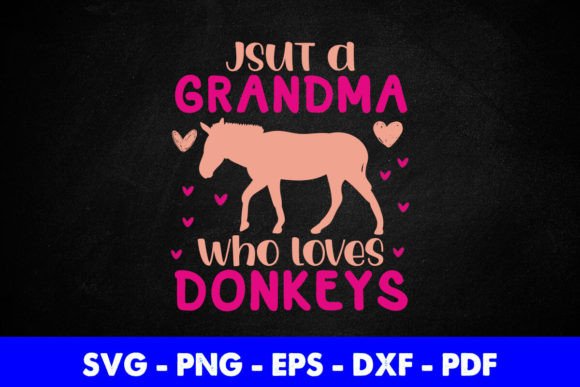
The immediate appeal of this design lies in its specificity. In a market saturated with generic "Grandma" or "Nana" motifs, pairing that familial warmth with the quirky charm of donkeys creates a distinct visual personality. It feels less like a mass-produced commodity and more like a curated piece for a very specific customer avatar. From a graphic design standpoint, the layout likely balances text and imagery in a way that suggests readability and balance, which are critical when translating pixels to stitches.
Mood-wise, the design evokes a sense of rustic comfort and playful affection. It doesn’t scream; it whispers a story. This makes it ideal for projects where you want the wearer to feel seen and understood rather than loudly advertised. For an embroiderer, this translates to a design that benefits from soft, high-quality threads. The visual weight seems moderate, suggesting it won’t overwhelm smaller garments but will still make a statement on larger canvases like tote bags or sweatshirts.
Real-World Application: The Custom Gift Scenario
To truly test a design, you have to imagine it on a finished product. Let’s say I am preparing a custom order for a client who wants a personalized gift for her mother-in-law—a woman who is fiercely devoted to her farm animals and has a dry sense of humor. She isn’t looking for something frilly; she wants something authentic.
I envision taking this machine embroidery design and applying it to a heavy-duty canvas tote bag. The durability of the fabric pairs perfectly with the rugged nature of donkeys. However, I also see potential in a cozy fleece sweatshirt. The contrast between the soft texture of the garment and the structured lines of the embroidery would create a tactile experience that customers love. Another strong candidate here is a kitchen towel or apron. The theme fits naturally into a homey, domestic setting, making it a perfect personalized gift for someone who spends their time baking or gardening.
For an Etsy seller, this design offers a unique selling proposition. It allows for bundling. You could offer the embroidery file alongside matching digital assets for print-on-demand services, creating a cohesive brand identity for a boutique shop focused on rural living or animal lovers. The versatility extends to baby embroidery as well; a onesie with this motif is adorable without being overly sentimental, appealing to modern parents who appreciate wit over cliché.
Technical Considerations and Stitch Performance
When reviewing any digital embroidery file, my eyes go straight to the details. How does the text render? Is the lettering clear enough to be read from a distance? With phrases like "Just a Grandma," legibility is paramount. If the font choice is too ornate or the spacing too tight, the message gets lost in the stitching. I recommend inspecting the stitch density closely. Areas with dense fill stitches can sometimes cause puckering if not stabilized correctly, especially on thinner fabrics like jersey knits used for t-shirts.
The interaction between the text and the donkey imagery is crucial. If the design uses satin stitch for outlines, ensure those edges are clean and won’t fray or look messy on curved surfaces. For instance, applying this to a baseball cap requires careful placement. The curvature of the brim can distort circular elements, so positioning the design slightly higher on the front panel might be necessary to maintain its integrity. Similarly, on a tote bag design, the flat surface allows for more creative freedom, but the thickness of the bag material means you need a sturdy stabilizer to prevent the needle from hitting the fabric underneath.
Thread color selection plays a huge role in the final aesthetic. On dark fabrics, the contrast needs to be sharp. Lighter threads might get swallowed by the background, while darker threads might lose definition against a black canvas. Testing the design in black and white mockups helps visualize how the values will interact before committing to expensive thread spools. Also, consider the thread colors available in your machine. If the design relies on subtle shading, ensure your thread palette can replicate those nuances effectively.
Where to Use It Carefully
While this design is versatile, there are scenarios where caution is advised. Small hoop sizes can compress fine details, turning a charming donkey eye into a blurry blob. If you are working with textured fabrics, such as bouclé or heavy wool, the stitches may not penetrate evenly, leading to an uneven finish. Thin or stretchy fabrics require additional stabilization techniques to prevent distortion during the hooping process.
Dark fabrics present another challenge. While they provide drama, they can also hide lighter thread colors, reducing the overall impact of the design. Layered garments, like hoodies with thick seams, can be difficult to hoop flatly, potentially causing misalignment. Curved surfaces, such as hats or rounded pillow corners, demand precise digitizing to avoid stretching the image. Finally, products that undergo frequent washing, like baby clothes or kitchen towels, need robust stitching to withstand the agitation of the washer and dryer without pilling or fading.
Impact on Brand and Customer Trust
Using a well-executed design like Just a Grandma Who Loves Donkeys enhances your professional reputation. Customers associate quality craftsmanship with trust. When a finished product looks polished, with clean stitches and no loose threads, buyers are more likely to leave positive reviews and return for future purchases. This design, with its relatable theme, fosters an emotional connection that goes beyond mere aesthetics. It speaks to the buyer’s identity, making the handmade product feel personal and thoughtful.
For commercial embroidery projects, this design offers a balance of broad appeal and niche specificity. It works for craft business owners looking to diversify their inventory with items that stand out on social media. The quirkiness of donkeys makes for engaging content, driving higher engagement rates on platforms like Instagram or Pinterest. By offering this as part of a broader collection, you position your shop as a source of unique, character-driven designs rather than generic templates.
Practical Designer Notes
- Test on Scrap Fabric: Always run a test stitch-out on the actual fabric type you plan to use. This reveals issues with tension, stabilizer choice, or thread compatibility early.
- Check Thread Contrast: Ensure the thread colors provide sufficient contrast against the fabric background for optimal visibility.
- Review Stitch Density: High-density areas may require adjustments to prevent bulkiness or fabric distortion.
- Confirm Hoop Size: Verify that the design dimensions fit comfortably within your machine’s standard hoops.
- Inspect Small Details: Zoom in on the digital file to ensure tiny elements remain distinct after stitching.
- Use Proper Stabilizer: Select a stabilizer that matches the fabric’s weight and stretch to support the embroidery.
- Verify Licensing: Before selling finished items or distributing the design assets, confirm the licensing terms to protect your commercial embroidery rights.
In conclusion, Just a Grandma Who Loves Donkeys is a solid addition to any embroiderer’s library. Its charm, combined with practical application across various custom apparel and home decor items, makes it a valuable tool for creators. By paying attention to technical details and choosing the right materials, you can transform this digital file into a beloved physical object that resonates with customers on a personal level.