Funny Intervention Specialist Nutrition Review
As a designer who spends more time staring at digitized stitch paths than sleeping, I have learned to be skeptical of novelty designs. The market is flooded with generic text overlays and lazy clip-art conversions that look muddy when stitched into fabric. However, when I first pulled up the Funny Intervention Specialist Nutrition design from the Crafts category, my interest was piqued. It isn’t just another text-based joke; it has a specific visual personality that suggests it was created with actual embroidery in mind. This review breaks down how this digital embroidery file performs in real-world applications, from custom apparel to small business merchandise.
First Impressions: Mood and Visual Layout
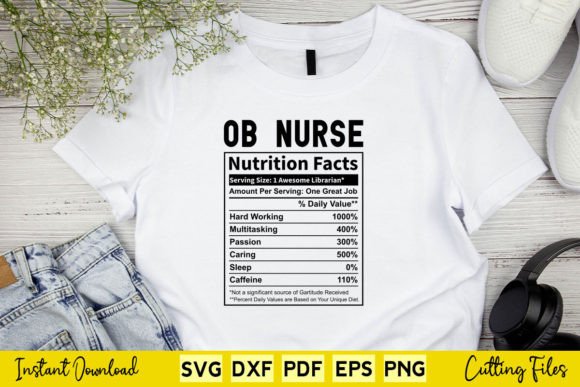
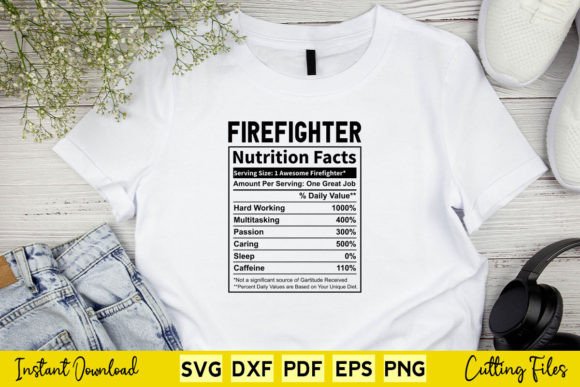
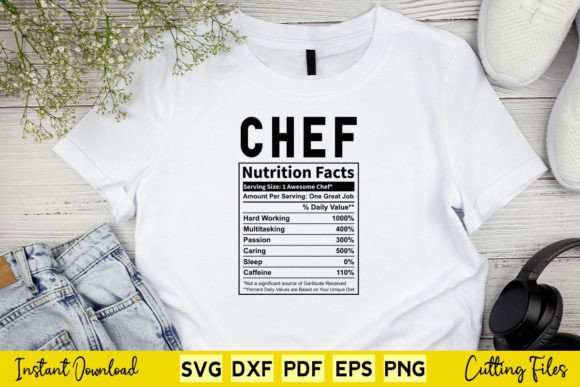
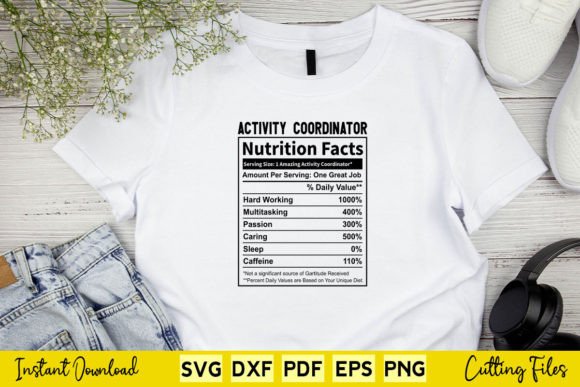
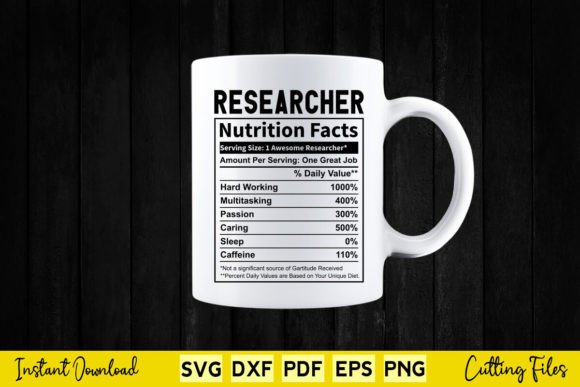
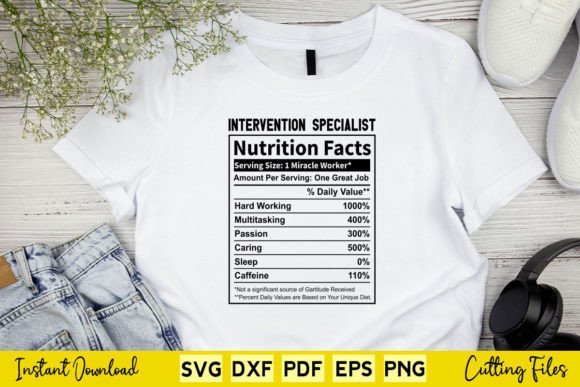
The immediate appeal of the Funny Intervention Specialist Nutrition Facts Svg T shirt Designs lies in its clever use of familiar iconography. By mimicking the structure of a standard nutrition label, the design taps into a sense of humor that is instantly recognizable. For an embroiderer, the layout is critical. If the text is too dense or the spacing uneven, the final product will look cluttered and unprofessional. In this case, the hierarchy of information seems well-balanced. The "Nutrition Facts" header likely anchors the design, allowing the punchline regarding "Intervention Specialist" to breathe.
This kind of thematic consistency is vital for handmade products. When a customer sees a tote bag or a sweatshirt featuring this design, they don’t just see a funny quote; they see a cohesive graphic element. The visual personality feels dry, witty, and slightly rebellious—traits that resonate well with healthcare professionals, social workers, and those who work in high-stress intervention roles. It transforms a simple gift item into a badge of professional identity.
Real-World Application: Where This Design Shines
I recently evaluated this design for a potential client project involving personalized gifts for a hospital staff appreciation event. The goal was to create items that were both durable and meaningful. Here is how the Funny Intervention Specialist Nutrition design translates across different mediums:
- Custom Apparel and Sweatshirts: This is perhaps the strongest use case. On a heavy cotton hoodie or a polyester blend sweatshirt, the design allows for bold thread colors. The contrast between the white background of the "label" and dark lettering works exceptionally well on navy, black, or charcoal garments. It becomes a statement piece for casual Fridays or shift changes.
- Tote Bags and Market Bags: For Etsy sellers and craft fair vendors, this design offers high versatility. A canvas tote embroidered with this motif serves as excellent branding material. It is practical, frequently used, and acts as a walking advertisement for the wearer’s profession. The durability required for a tote bag aligns perfectly with the sturdy nature of a fill-stitch heavy design.
- Baby Items and Nursery Decor: There is a growing trend of "future professional" baby clothes. While the theme is adult-oriented, the clean lines of a nutrition label style can be adapted for nursery wall hangings or blanket borders. It adds a touch of humor to the nursery without being overly childish, appealing to parents who work in medical or social service fields.
- Embroidered Patches and Caps: If digitized correctly, this design can be shrunk down for placement on baseball caps or as iron-on patches for aprons. The structured look of the nutrition label format holds up well in smaller hoop sizes, provided the lettering remains legible.
Technical Considerations and Stitch Clarity
From a technical standpoint, the success of any machine embroidery design depends on stitch density and detail resolution. The Funny Intervention Specialist Nutrition file appears to rely heavily on satin stitches for outlines and fill stitches for backgrounds. This is generally safe for most home and commercial machines, but it requires attention to detail.
One area where designers must be cautious is the fine print. Nutrition labels are inherently text-heavy. If the digitizer did not reduce the font size appropriately for the chosen hoop size, the tiny details may merge together during stitching. I recommend testing the design on scrap fabric first, specifically looking at the smallest lines of text. If the threads bleed into each other, the design may need to be simplified or scaled up. Additionally, checking the stitch density is crucial; too much density in a small area can cause puckering, especially on lighter fabrics like tea towels or thin cotton t-shirts.
When evaluating the embroidery file, also consider the thread color palette. The classic black-on-white aesthetic is timeless, but experimenting with contrasting colors can elevate the finished product. For instance, using a gold or silver metallic thread for the border could add a premium feel suitable for boutique branding.
Where to Use Carefully
While this design is versatile, there are certain scenarios where it might not perform optimally:
- Small Hoop Sizes: Attempting to fit the entire nutrition label into a 4x4 inch hoop risks losing legibility. Ensure your hoop size matches the design dimensions.
- Textured or Stretchy Fabrics: Knits and highly textured materials can distort the straight lines of the label format. Always use a proper stabilizer to prevent shifting.
- Dense Stitch Areas: If the design includes large solid blocks of color, ensure the fabric can support the weight of the thread without buckling.
- Curved Surfaces: Embroidering directly onto a curved cap front may require a specialized hoop attachment to maintain the rectangular integrity of the label.
Impact on Brand Value and Customer Trust
For Etsy sellers and small shop owners, the quality of the design directly impacts perceived value. A poorly digitized design looks amateurish and can damage brand reputation. Conversely, a clean, well-executed digital embroidery file signals professionalism. The Funny Intervention Specialist Nutrition design strikes a balance between humor and polish. It doesn’t rely on low-effort clip art; instead, it uses a structured layout that implies care and intentionality.
This affects buyer engagement significantly. Customers are more likely to purchase a handmade product if the design tells a story. The "nutrition facts" concept provides an instant conversation starter. It invites the viewer to read the details, creating a moment of connection. For commercial embroidery projects, such as corporate gifts for healthcare teams, this level of thoughtfulness can enhance employee morale and brand loyalty.
Practical Designer Notes for Implementation
Before integrating this design into your production workflow, keep these practical tips in mind:
- Test on Scrap Fabric: Always run a test stitch-out to check for tension issues and thread breakage.
- Check Thread Contrast: Ensure the thread colors pop against your chosen fabric. Light threads on light fabrics often get lost.
- Review Stabilizer Needs: Heavier designs require cut-away stabilizers for permanence, while lightweight fabrics may benefit from tear-away options for temporary support.
- Inspect Small Details: Zoom in on the digitizing software to verify that all text is readable and no elements are too close to the edge of the hoop.
- Confirm Licensing: Since this is a digital product, verify the license terms before selling finished items. Most personal use licenses do not cover commercial sales, so ensure you have the rights to produce and sell merchandise featuring this design.
- Create Printable Mockups: Use the design assets to create high-quality mockups for your online store. Seeing the design on a real garment helps customers visualize the final product.
In conclusion, the Funny Intervention Specialist Nutrition design is a strong addition to any embroiderer’s library. It combines wit with a clean, structured aesthetic that translates well across various media. Whether you are creating a personalized gift for a colleague or stocking your crafter business with trendy custom apparel, this design offers a reliable foundation for creating engaging, high-quality embroidered goods. Just remember to respect the technical limitations of your machine and fabric, and always prioritize clarity in your stitching.